
Can You Practise Ballet at Home?
You can successfully practice ballet at home by setting up a dedicated space with essential equipment, such as a sturdy barre and good quality exercise mat. Start with basic exercises that focus on muscle isolation, alignment, and breathing. As you progress, incorporate exercises that build strength and flexibility. Master basic techniques, including posture, alignment, and footwork fundamentals. By following these steps, you'll be well on your way to improving your ballet skills in the comfort of your own home. Now, take the next step and explore how to create a personalized practice routine that suits your level and goals.
Key Takeaways
• Designate a quiet, clutter-free area with a smooth floor to set up your home studio and start practicing ballet.
• Invest in essential equipment like a sturdy ballet barre, exercise mat, and full-length mirror for proper posture correction.
• Begin with basic exercises like pliés, tendus, and pelvic tilts to focus on muscle isolation and core engagement.
• Practice proper alignment and breathing techniques to build strength, flexibility, and prevent injuries.
• Start slow, be patient, and gradually increase intensity to master basic ballet techniques and build a strong foundation.
Setting Up Your Home Studio
Create a dedicated space in your home by designating a quiet, clutter-free area with a smooth floor, ideally made of wood or Marley, to serve as your home studio. This will be your dance floor, where you'll perfect your pirouettes and pliés.
Make sure the room is well-ventilated and has a mirror, so you can correct your posture and alignment. Consider investing in a sound system that can connect to your phone or laptop, allowing you to play your favorite ballet playlists or follow online classes.
Essential Equipment for Beginners
As you start your ballet journey at home, you'll need the right equipment to support your practice. You'll want to invest in a sturdy barre that provides stability and helps you maintain proper alignment.
With the right gear, you'll be able to focus on perfecting your technique and enjoying the many benefits of ballet.
Barre Essentials
You'll need a few essential items to set up your home barre, starting with a sturdy ballet barre that can support your weight. This is vital for proper barre etiquette, as you'll be relying on it for balance and support throughout your practice.
Next, invest in a good quality exercise mat to provide grip and comfort. Don't forget a full-length mirror to correct your posture and alignment.
To complete your studio aesthetics, add some calming decor and soft lighting to create a peaceful atmosphere.
Home Studio Setup
Five essential equipment pieces form the foundation of a well-rounded home studio setup for beginner ballet practitioners. As you set up your space, contemplate the following must-haves:
-
Mirror: A full-length mirror allows you to rectify your posture, alignment, and technique in real-time.
-
Barre: A sturdy, adjustable barre provides support and stability for exercises and stretches.
-
Sprung Flooring: A shock-absorbing floor reduces impact on your joints and helps prevent injuries.
When setting up your studio, don't overlook Soundproofing Considerations to minimize distractions and maximize focus. Incorporate Personalized Decorations that inspire and motivate you to move freely and express yourself. With these essentials in place, you'll be well on your way to creating a transformative ballet practice in the comfort of your own home.
Basic Exercises to Start With
Start with simple exercises that target specific muscle groups, like the plié, which strengthens your legs and prepares your muscles for more complex movements.
Focus on muscle isolation to engage specific areas, such as your core, legs, and glutes. Core engagement is vital in ballet, so exercises like pelvic tilts and bridges will help you develop the necessary strength and control.
You can also practice tendus, which target your feet and ankles, and dégagés, which work on your leg extensions. Remember to start slow, focus on proper alignment, and breathe naturally.
With consistent practice, you'll develop the foundation you need to progress to more advanced movements.
Building Strength and Flexibility
As you progress in your ballet practice, incorporating exercises that build strength and flexibility will enhance your overall technique and prepare you for more challenging movements. You'll be able to execute movements with more control and precision, and improve your overall performance.
Here are three exercises to focus on:
-
Core engagement exercises: Engage your core muscles to improve your balance, posture, and overall stability. This will help you maintain proper alignment and prevent injuries.
-
Leg raises: Lie on your back with your arms extended overhead, and raise one leg towards the ceiling. This exercise targets your lower abs and improves flexibility in your hips.
-
Wall sits: Stand with your back against the wall and slide down into a seated position, with your knees bent at a 90-degree angle. This exercise strengthens your quadriceps and improves muscle isolation in your legs.
Remember to start slow and gradually increase the intensity as you build strength and flexibility.
Mastering Basic Ballet Techniques
As you start mastering basic ballet techniques, you'll focus on three essential elements: maintaining proper posture and alignment, executing fundamental footwork, and controlling body rotation.
You'll learn to engage your core and lengthen your spine to achieve perfect posture, develop coordination and balance through essential footwork patterns, and master controlled rotations to add elegance to your movements.
Posture and Alignment
You'll build a strong foundation in ballet by maintaining a long, straight spine, with your ears, shoulders, hips, knees, and ankles aligned in a straight line. This alignment is essential for proper technique and injury prevention.
To achieve ideal posture, focus on:
-
Core engagement: Engage your core muscles to support your spine and maintain a long, straight line from head to heels.
-
Shoulder relaxation: Keep your shoulders relaxed and down, avoiding tension or scrunching up towards your ears.
-
Weight distribution: Distribute your weight evenly between both feet, with a slight emphasis on the balls of your feet.
Footwork Fundamentals
Mastering five basic footwork positions is essential for building a solid foundation in ballet, as they provide the framework for more complex movements.
You'll focus on proper heel placement, ensuring your heels are aligned with your shoulders and weight is evenly distributed.
Next, practice toe articulation by spreading your toes and engaging your toe pads. This will help you develop control and precision in your movements.
Start with the first position, where your heels are together and toes are turned out. Progress to the second position, with your feet shoulder-width apart, and so on.
As you master these fundamental positions, you'll build a strong foundation for more advanced techniques and gain the freedom to express yourself through movement.
Body Rotation Control
With a solid foundation in footwork fundamentals, you're now ready to focus on controlling your body rotation, an essential aspect of ballet technique that requires precise alignment, core engagement, and fluid movement.
Mastering body rotation control will enable you to execute movements with ease and grace.
Here are three key elements to focus on:
-
Core engagement: Engage your core muscles to maintain a stable center, allowing for controlled rotation.
-
Upper body twist: Practice twisting your upper body while keeping your lower body still, promoting flexibility and coordination.
-
Fluid shifts: Focus on smooth, seamless shifts between movements, ensuring a fluid and natural flow.
Creating a Home Practice Routine
To create a well-rounded home practice routine, start by identifying your goals and prioritizing the skills you want to focus on, whether it's perfecting your pirouette or mastering a specific ballet technique. Establishing personalized goals will help you stay motivated and focused.
| Focus Area | Drills and Exercises |
|---|---|
| Pirouette | Practice slow, controlled turns in both directions |
| Flexibility | Incorporate hamstring and hip flexor stretches |
| Balance | Hold arabesque for 30 seconds, 3 sets |
Incorporate mindful shifts between exercises to maintain a smooth flow. Allocate time for each exercise, and don't forget to warm up and cool down. With a clear plan, you'll be well on your way to achieving your ballet goals from the comfort of your own home.
Frequently Asked Questions
Do I Need to Take Classes Before Practising Ballet at Home?
Before practising ballet at home, you're wise to take classes with a private instructor or follow online tutorials to learn proper techniques, ensuring a strong foundation and preventing injuries, then you're free to dance at home with confidence!
Can I Practise Ballet if I'm Overweight or Have Physical Limitations?
Don't let weight or physical limitations hold you back! You can still practise ballet by modifying movements to suit your needs. Start with gentle exercises, focusing on controlled movements and breathing techniques to build strength and flexibility.
How Long Will It Take to See Progress in My Ballet Practice?
As you commit to regular practice, consistency matters, and patience is required; you'll start to notice subtle improvements in flexibility, strength, and technique within 6-8 weeks, but significant progress takes 3-6 months of dedicated effort.
Can I Practise Ballet in Socks or Do I Need Ballet Shoes?
You can practise ballet in socks, but make sure you have a good sock grip to prevent slipping. Focus on proper foot placement, and consider investing in ballet shoes for the best support and technique refinement.
Is It Safe to Practise Ballet During Pregnancy?
As you prepare for motherhood, 75% of women experience back pain during pregnancy. You can safely practise ballet during pregnancy with prenatal modifications, maintaining pelvic alignment to avoid discomfort, and enjoying the freedom of movement that ballet brings.
Related Posts
-

3 Essential Marketing Tips for Dance Makeup Artists
To shine online and attract new clients, you'll need a solid marketing strategy. First, boost your online visibility ...
-
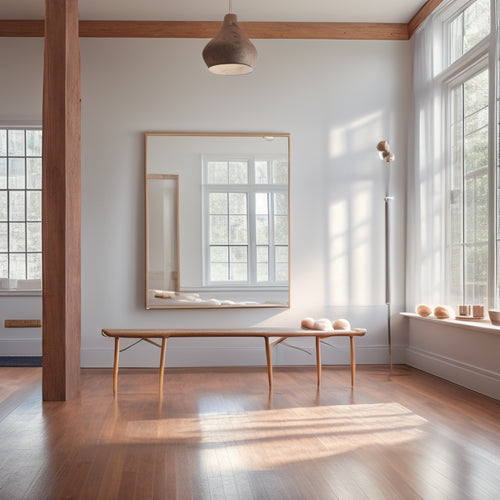
What to Look for in a Home Professional Ballet Barre
When choosing a home professional ballet barre, look for durability and solid construction, which guarantees it stand...
-
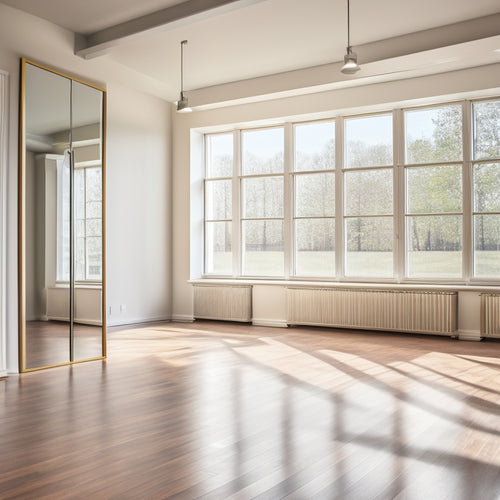
Tips and Tricks for Collapsible Ballet Bar Installation
To install your collapsible ballet bar, start by gathering essential tools like a drill, level, and measuring tape. M...
