
Theatrical Clothing for a Show-Stopping Wardrobe
Theatrical clothing is your key to a show-stopping wardrobe that captivates and engages. Each costume alters you into a character, using lively colors and rich textures to speak volumes. Think breathable fabrics for easy movement, allowing you to embody your role fully. Durability and fit matter—your clothes should feel like a second skin, supporting every expressive gesture. Layering and clever accessories enable quick changes, ensuring smooth shifts between characters. Whether it's an energetic lead or a quirky ensemble role, your wardrobe choices enhance the entire performance. Uncover how the right fabrics and styles can make your characters unforgettable.
What You Need to Know
- Choose vibrant colors and unique textures to evoke emotions and enhance character storytelling in your theatrical wardrobe.
- Select breathable and flexible fabrics to ensure comfort and unrestricted movement during performances.
- Pay attention to historical detail in costumes to create authenticity and immerse the audience in the narrative.
- Utilize layering and clever accessories for versatility, enabling quick changes while maintaining character integrity.
- Tailor costumes for optimal fit, ensuring they act as a supportive partner to enhance performance expression.
Unique Character Expression Opportunities
When you slip into a costume, you're not just wearing fabric; you're stepping into a character's skin, where every stitch speaks volumes about their expedition.
The lively colors and textures can ignite a spark in your personality, altering how you move and interact on stage.
Accessories adorned with shimmering embellishments can enhance your performance, drawing attention to your unique expression.
With each outfit, you have the power to craft a unique expression that enthralls and strikes a chord with your audience.
Costume Design Influence
Costume design serves as a dynamic canvas for portraying unique character expressions, changing actors into living embodiments of their roles. Each stitch, fabric innovation, and design aesthetic shapes how you perceive a character's path.
Imagine how color symbolism breathes life into emotions, with lively reds igniting passion or muted blues evoking sadness. Historical references enhance narratives, immersing you in a specific time and place, while cultural influences bring depth and authenticity to character arcs.
As you watch the story unfold, visual storytelling draws you into the world created through artistic collaboration between designers and directors. The costumes not only reflect narrative themes but also elevate audience perception, inviting you to connect with characters on a deep level.
Every layer of fabric tells a story, revealing secrets about the character's past, aspirations, and conflicts.
You'll find that costume design isn't just about aesthetics; it's an essential tool for conveying the essence of characters. It alters simple clothing into powerful symbols that echo long after the curtain falls, offering you an unforgettable experience that celebrates the beauty of theatrical art.
Personality Through Wardrobe
A lively, flowing gown can instantly transport you into a character's universe, revealing their inner conflicts and desires. When you slip into a costume, you don't just wear fabric; you embody wardrobe symbolism that speaks volumes about the character you're portraying.
For instance, a regal cape might suggest authority, while a tattered dress could whisper tales of struggle and resilience. Every thread and color choice helps you express your character archetype, whether it's the daring hero, the misunderstood outcast, or the enigmatic villain.
As you investigate these unique character expressions, consider how textures and patterns reflect personality traits. A bold, lively print might radiate confidence, while soft, muted tones could hint at vulnerability.
Let your wardrobe become a canvas, painting the emotional layers of your character. Accept the freedom to experiment—layer accessories, mix styles, and play with silhouettes. Each choice enhances the story you're telling, allowing your audience to connect with the character on a deeper level.
Immerse yourself in this domain of creativity, and let your wardrobe not just clothe you but also set your spirit free as it dances into the spotlight.
Enhanced Performance and Comfort
When you slip into a costume made from breathable fabrics, you'll instantly feel the difference in how you move on stage.
Proper support in dancewear enhances stability, allowing you to maintain focus on your performance. The right fit allows for a full range of motion, freeing you to express every detail of your character without restriction.
Comfort becomes your silent partner, enhancing your performance as you immerse yourself in the world of your role.
Breathable Fabrics Selection
Choosing the right breathable fabrics can alter the experience of wearing theatrical clothing, making it as enjoyable as the performance itself. Imagine slipping into garments that encourage airflow, letting you feel fresh and invigorated, even under the spotlight. Fabrics like cotton, linen, and moisture-wicking blends offer excellent fabric breathability, ensuring you stay cool throughout the show.
When selecting your pieces, consider the texture variety available. Light, airy fabrics create a delicate silhouette, while slightly heavier materials can add a dramatic flair without sacrificing comfort. Feel the difference as you run your fingers along the fabric; each texture tells a story, enhancing your character's presence on stage.
Breathable fabrics also allow you to move freely, giving you the confidence to fully embody your role. Envision yourself in a flowing gown or a customized suit that breathes with you, adapting to every twist and turn of your performance.
Prioritizing comfort doesn't mean compromising on style; it's about finding that perfect balance. So, as you curate your wardrobe, let breathable fabrics enhance your theatrical experience, ensuring you shine bright without feeling weighed down.
Fit and Mobility Importance
Often overlooked, the fit of your theatrical clothing plays an essential role in enhancing both performance and comfort. When you're on stage, every movement matters, and your costume should feel like a second skin. Imagine slipping into a garment that hugs your body perfectly, allowing you to leap, spin, and express yourself freely without constraints. This is where fit adjustments come into play; they change a good costume into an exceptional one.
Consider the importance of mobility techniques in your wardrobe. A well-fitted outfit not only enhances your silhouette but also strengthens your movements. Whether you're gliding across the stage or engaging in dramatic gestures, your clothing should move with you.
Think about seams that stretch, fabrics that breathe, and styles designed to accommodate your unique physicality. If you're feeling restricted, it's time to reassess. Don't shy away from tailoring or seeking out designs that prioritize freedom of movement.
Material Durability and Flexibility
When choosing fabrics for your theatrical wardrobe, think about how strength and flexibility play together in each piece.
You want materials that can withstand the rigors of performance while allowing you to move freely, altering each gesture into an enchanting moment.
Breathable fabrics, such as cotton, are essential for comfort and can greatly enhance your overall performance.
Imagine slipping into a costume that not only looks stunning but also feels like a second skin, enabling you to take the stage with confidence.
Fabric Strength Considerations
While fabric selection might seem like a minor detail in theatrical clothing, it plays an essential role in the performance's overall impact. Choosing the right fabric strength can raise your costume from ordinary to extraordinary.
Think about fabric weight—heavier materials like velvet or canvas can convey authority and drama, while lighter fabrics like chiffon or silk flutter with grace, enhancing movement on stage.
Texture variation is equally important. Mixing textures, such as pairing a smooth satin with a rough burlap, adds depth and intrigue to your character's look. This contrast not only catches the eye but also allows for creative expression, inviting the audience to engage with the story.
In considering durability, remember that your costume needs to withstand the rigors of multiple performances. Fabrics like denim or twill stand up to wear and tear while maintaining their shape and color.
Balance this with flexibility; a fabric that holds its strength yet allows for a bit of give can make all the difference during those dramatic moments.
Welcome the freedom that fabric choice gives you, turning each piece into a powerful storytelling tool that connects with your audience.
Movement and Comfort
Choosing the right fabric doesn't just enhance the visual appeal of a costume; it directly impacts how you move and feel on stage. Imagine slipping into a costume that breathes with you, allowing every leap, twirl, and gesture to flow seamlessly.
The beauty of comfort innovations lies in their ability to fuse durability with flexibility, ensuring you won't feel restricted while performing. Think of materials like spandex blends or moisture-wicking fabrics that hug your body yet stretch with your every movement.
These fabrics are designed with movement techniques in mind, allowing you to express yourself freely, whether you're portraying a fierce warrior or a fanciful fairy.
When choosing costumes, prioritize those that offer both support and freedom. Look for features like reinforced seams and breathable linings that sustain the rigors of the stage without sacrificing style.
You deserve to feel comfortable and confident, so don't settle for anything less. With the right choice, your costume can become an extension of your artistry, enabling you to enthrall your audience while reveling in the joy of movement.
Welcome the freedom of expression that comes with the perfect theatrical clothing!
Selecting Based on Character Role
When you choose clothing for a character, think about their traits and the world they inhabit.
Consider how the costume serves as an extension of their personality, enhancing the visual narrative on stage. Imagine the bold colors and textures that scream confidence for a fearless hero, or the muted tones that whisper vulnerability for a tragic figure.
Costume design foundations emphasize the importance of authenticity in your choices, which enhances the overall performance.
Understanding the historical backdrop not only enhances your choices but also brings authenticity to your performance.
Understanding Character Traits
Every character you portray brings a unique blend of traits that can be vividly expressed through clothing. Imagine the brooding hero draped in dark, rugged fabrics, his attire whispering secrets of a turbulent past. Contrast that with the vivacious sidekick, who flaunts bold colors and playful patterns, reflecting their infectious energy. Your choices in clothing directly influence character development, shaping the audience's perception and emotional resonance.
Think about your character's background, personality, and motivations. Is your character a careful planner? Choose crisp lines and structured silhouettes to convey their precision. Maybe they're a free spirit; flowy fabrics and eclectic accessories will speak to their adventurous soul.
Every detail matters—an oversized hat hints at mystery, while scuffed shoes suggest a trek filled with challenges.
As you select your wardrobe, envision how each piece will enhance your portrayal. Clothing isn't just fabric; it's an essential tool that breathes life into your character. So, don't shy away from experimenting. Explore deeply into what each garment represents and allow their stories to intertwine with your performance, creating an enthralling experience for both you and your audience.
Historical Context Importance
Understanding the historical backdrop of your character's role is essential to crafting an authentic wardrobe. Consider how each stitch and fabric choice echoes the time period you're portraying. Whether you're stepping into the shoes of a Victorian aristocrat or a roaring twenties flapper, your clothing should resonate with cultural significance and reflect historical accuracy.
Imagine the delicate lace of a Regency gown dancing in the light, or the sleek, bold lines of a 1920s bobbed hairstyle. Each piece tells a story, transporting you and your audience to another era. Immerse yourself in the colors and patterns that defined the age—pastels for the romantic 18th century, or lively, geometric prints for the Art Deco movement.
As you select your wardrobe, think about how your character's social status, profession, and personal experience influence their attire. Every outfit should be a visual representation of their identity and the world they inhabit.
Costume Versatility for Multiple Roles
Imagine standing backstage, heart racing as you prepare for a swift change.
With effective engagement strategies in place, your audience will be enthralled by your costume versatility, allowing you to seamlessly shift from a regal queen to a scrappy street urchin in mere moments.
It's all about layering, clever accessories, and a bit of practice to guarantee your costume versatility shines through in every role you play.
Quick Change Techniques
Becoming proficient in quick change techniques can alter a costume into a versatile tool for any performer. Imagine standing backstage, the clock ticking, adrenaline pumping, as you prepare for rapid outfit changes that will convert you from a regal queen to a mischievous jester in the blink of an eye.
Mastering costume shifts is an art, and it starts with planning your wardrobe wisely. Utilize layers to your advantage; lightweight fabrics can slip on and off easily. Think about using Velcro or snap closures instead of buttons or zippers—they're quicker and more efficient. You might even incorporate hidden pockets for accessories, allowing you to switch out looks without missing a beat.
Practice is essential. Rehearse those shifts until they flow seamlessly, ensuring you can execute them even under pressure. Visualize each move, from shedding a cloak to donning a hat, creating a fluidity that enchants your audience.
With these techniques, you'll not only enhance your performance but also welcome the freedom to investigate multiple characters, enthralling your audience with every swift costume change.
Welcome the thrill of alteration, and let your creativity shine!
Frequently Asked Questions
How Can I Incorporate My Personal Style Into Theatrical Clothing?
You can express yourself by blending unique fabrics and colors into your costumes. Accept costume customization; add personal accessories or modify silhouettes that echo with your identity, creating a lively, authentic representation of your artistic vision.
What Are the Best Ways to Care for Theatrical Costumes?
To care for your costumes, adopt costume maintenance tips like gentle hand washing or dry cleaning. Use fabric cleaning techniques customized to each material, ensuring vibrancy and longevity while letting your creativity shine through every piece.
Where Can I Find Affordable Theatrical Clothing Options?
Thrift store finds brim with hidden gems, while online marketplaces offer endless variety. You'll uncover unique pieces at budget-friendly prices, allowing your creativity to shine without breaking the bank. Welcome the journey of seeking!
How Do I Ensure a Proper Fit for Costumes?
To guarantee a proper fit for costumes, use fitting techniques like pinning and draping. Don't hesitate to make costume alterations; a little adjustment can change your look, giving you the freedom to shine on stage!
Can I Rent Costumes Instead of Purchasing Them?
You can definitely rent costumes instead of buying them! Costume rental saves your theatrical budget while offering a variety of stunning outfits. Imagine slipping into lively attire that changes your performance without breaking the bank.
Explore More
In the world of theater, 80% of an actor's performance hinges on their costume, altering them into their character and enhancing their stage presence. When you choose theatrical clothing, you're not just picking fabric; you're crafting a visual story that enthralls the audience. With the right materials and versatility, your wardrobe can breathe life into multiple roles, ensuring each performance is a unique spectacle. So, welcome bold styles and let your character shine brighter than the spotlight!
Related Posts
-

Digital Marketing Strategies for Dance Business Success
You're about to unleash the full potential of your dance business by leveraging digital marketing strategies that wil...
-

Three Clicks Revolutionizes Online Marketplace Experience
Three Clicks is revolutionizing the online marketplace experience by seamlessly connecting buyers and sellers through...
-
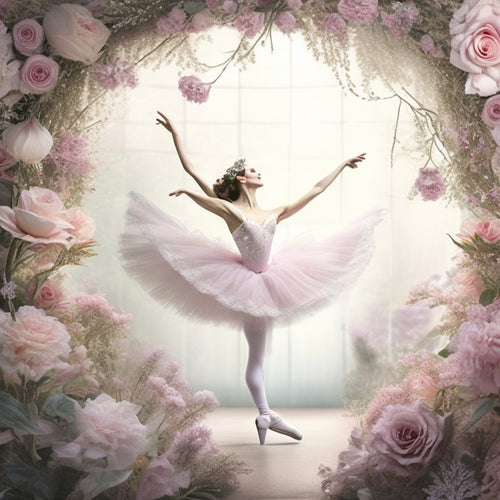
Captivating Ballerina SVG Designs for DIY Enthusiasts
Ballerina SVG designs have captured the interest of DIY enthusiasts and crafters, providing a versatile and sophistic...
